Net metering in Pakistan has quietly become the single most powerful reason to install rooftop solar, yet many homeowners still misunderstand how it works. In simple terms, net metering lets your solar system feed surplus daytime electricity back into the grid, spinning your meter backwards and earning credits you use at night. For 2026, with distribution tariffs at record highs, mastering net metering can turn a good solar investment into a great one. This guide explains the mechanics, the paperwork, and how it compares to going fully off-grid.
By the end you will understand exactly why grid-tied systems dominate rooftop installations, how to get your connection approved, and when a hybrid or off-grid setup makes more sense.
How Does Net Metering Work in Pakistan?
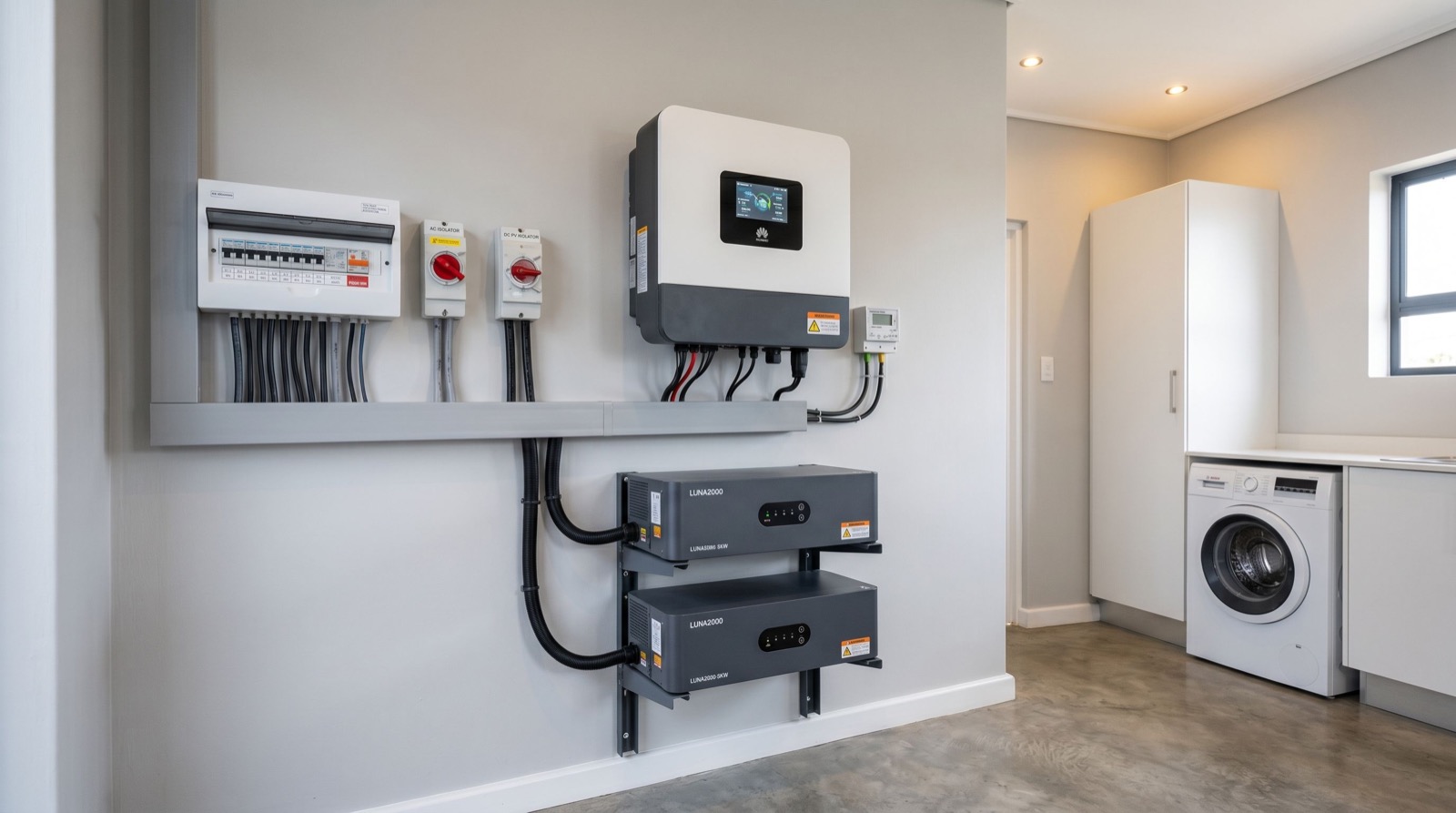
Net metering is a billing arrangement approved by regulators that credits solar owners for the electricity they export. During the day, your panels often produce more than the home consumes; that surplus flows to the grid. A bi-directional meter records both what you import and what you export, and your bill reflects the net difference.
The National Electric Power Regulatory Authority governs the framework, and each distribution company processes applications within its territory. You can review the official policy on the NEPRA website, which sets the rules for connection sizes and settlement. Approved systems up to 1 MW are eligible, covering virtually every residential and small-commercial need.
The Credit Settlement Cycle
Exported units accumulate as credits carried forward month to month. At the end of the settlement period, any remaining surplus is reconciled with your DISCO. This structure rewards well-sized systems that closely match annual consumption rather than wildly oversized arrays.
On-Grid vs Off-Grid: Which Is Right for You?
The choice between on-grid and off-grid shapes your cost, backup capability, and net-metering eligibility. The comparison below summarises the practical differences for a typical Pakistani household in 2026.
| Feature | On-Grid (Net Metering) | Off-Grid (Battery) | Hybrid |
|---|---|---|---|
| Upfront cost | Lowest | Highest | Medium-High |
| Backup during outage | No | Yes | Yes |
| Sells surplus to grid | Yes | No | Yes |
| Battery required | No | Yes | Optional |
| Best payback | 3–5 years | 6–9 years | 4–6 years |
For most urban homes with reliable grid access, on-grid net metering delivers the fastest return. Rural sites or areas with frequent load-shedding often justify the extra cost of batteries in a hybrid or off-grid design.
What Are the Benefits of Net Metering?
Beyond the obvious bill reduction, net metering offers several compounding advantages that grow more valuable as grid tariffs rise.
- Lower bills — daytime generation offsets consumption unit for unit.
- Export credits — surplus units bank value you draw on after sunset.
- No battery cost — the grid acts as your free virtual storage.
- Faster payback — typically three to five years for residential systems.
- Inflation hedge — every tariff hike increases your effective savings.
Because you avoid expensive battery banks, a grid-tied net-metered system has the lowest cost per kilowatt-hour of any solar option. That efficiency is why it remains the default recommendation from experienced installers.
How to Apply for Net Metering: Step by Step
The application process is straightforward when handled by a qualified installer, but knowing the sequence helps you stay on track.
- Assess your roof and load — size the system to your annual consumption.
- Install with a certified vendor — approvals require compliant equipment.
- Submit the application to your DISCO — include design drawings and equipment specs.
- Pass the inspection — the distribution company verifies safety and metering.
- Receive the bi-directional meter — once installed, your credits begin accruing.
Regional experience speeds this up considerably. Homeowners arranging solar installation in Multan benefit from installers who already know the local DISCO’s documentation quirks, while those planning solar installation in Peshawar should confirm their vendor has cleared net-metering files in that grid region before. Choosing reliable local experts reduces approval delays from months to weeks.
Common Approval Delays to Avoid
Applications stall most often due to incomplete documentation, non-compliant inverters, or oversized systems exceeding your sanctioned load. A seasoned installer pre-checks these before submission, sparing you rejection and resubmission cycles.
How Do You Size a Net-Metered System Correctly?
Correct sizing is the difference between a net-metering system that pays for itself quickly and one that leaves value on the table. Because export credits are settled against annual consumption, the goal is to match generation to what you actually use over the year rather than chasing the biggest array.
Start by pulling twelve months of electricity bills and calculating your average monthly units. A system that offsets 90–100% of that figure captures the full benefit of net metering without oversizing. In Pakistan’s high-irradiation climate, each installed kilowatt typically produces 120–140 units per month, so a household using 1,200 units monthly usually needs a system in the 8–10 kW range.
Watch your sanctioned load too. Distribution companies generally cap net-metering connections at or below your sanctioned demand, so upgrading your load before applying is sometimes necessary. A knowledgeable installer confirms this early to avoid a rejected application.
Seasonal Generation Swings
Solar output peaks in summer and dips slightly in winter due to shorter days. Net metering smooths this out because summer surpluses bank as credits you spend during leaner months. This carry-forward mechanism is precisely why grid-tied systems suit Pakistan’s climate so well — the grid absorbs your seasonal peaks and returns the value when you need it.
What Are the Real-World Savings Numbers?
Concrete figures make the case clearer than percentages. Consider a family running a 10 kW net-metered system in 2026 against a tariff near PKR 55–65 per unit.
- Monthly generation — roughly 1,200–1,400 units in peak months.
- Daytime self-consumption — offsets the most expensive slab units first.
- Exported surplus — banked as credits drawn down after sunset.
- Annual bill reduction — commonly PKR 400,000–500,000 for a household of this size.
Because tariffs tend to rise year after year, these savings are not static — they grow. Each hike the grid announces effectively increases the value of every solar unit you generate, strengthening the case for connecting sooner rather than later.
Frequently Asked Questions
What is net metering in simple terms?
Net metering is a billing system where your solar panels send surplus electricity to the grid, and you receive credits that offset the power you draw at night. Your bill reflects only the net amount you consume.
Do I need batteries for net metering?
No. With net metering the grid effectively stores your surplus as credits, so batteries are optional. Skipping batteries keeps costs low and payback fast, though you lose backup during outages.
How long does net-metering approval take?
With a compliant system and complete paperwork, approvals typically take a few weeks. Experienced installers who know local DISCO requirements can significantly shorten the timeline.
Is off-grid better than on-grid in Pakistan?
Off-grid suits areas with unreliable grids or no connection, but it costs more due to batteries. For most urban homes, on-grid net metering offers better economics and faster returns.
Conclusion
Net metering in Pakistan transforms rooftop solar from a simple bill-cutter into a genuine wealth-building asset, letting the grid store your surplus for free while credits shrink your night-time costs. For 2026, on-grid systems remain the smartest choice for urban homes, delivering three-to-five-year paybacks without costly batteries. Partner with a certified installer, size your system to your consumption, and get your net-metering application moving — the sooner you connect, the sooner your meter starts spinning in your favour.