Pakistan stands at a pivotal moment in its energy history. Facing rising electricity costs, frequent load-shedding, and an increasing awareness of environmental impacts, the shift toward solar energy is no longer a luxury but a necessity. As homes and industries look for sustainable solutions, the market is flooded with options. However, navigating the world of photovoltaic systems requires more than just a desire to go green; it requires finding the Best Solar Company in Pakistan to ensure a seamless, efficient, and cost-effective transition.
The Solar Revolution in Pakistan
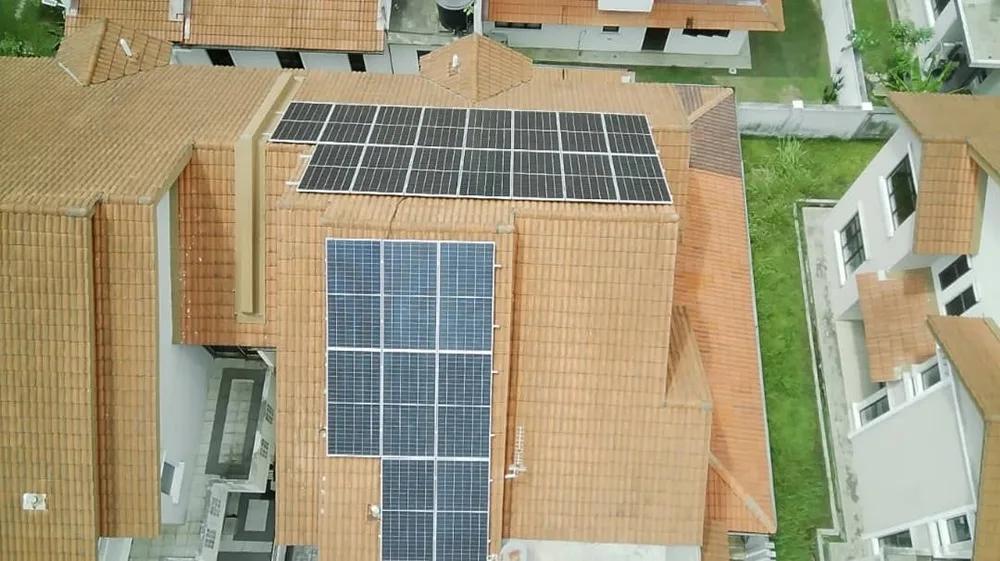
The energy landscape in Pakistan is rapidly transforming. With the government offering incentives for renewable energy and net metering policies allowing consumers to sell excess electricity back to the grid, solar power has become an economically viable option. The country enjoys abundant sunshine throughout the year, making it an ideal location for solar energy generation. From the bustling streets of Lahore and Karachi to the scenic valleys of Khyber Pakhtunkhwa, solar panels are becoming a common sight on rooftops and industrial complexes.
However, with this surge in demand comes a proliferation of solar companies, each claiming to be the best. This makes it essential to distinguish between genuine experts and fly-by-night operators. The decision to invest in solar is a long-term commitment, and selecting the right partner is crucial for maximizing return on investment and ensuring system longevity.
Best Solar Company: What Defines Excellence?
When searching for the Best Solar Company, several critical factors set industry leaders apart from the competition. Understanding these parameters will help you make an informed decision.
1. Experience and Track Record
A company’s history in the industry speaks volumes about its reliability. Experienced companies have weathered market fluctuations and technological changes, proving their ability to adapt and deliver. They possess a portfolio of successful installations, from residential setups to large-scale industrial projects. When evaluating potential partners, ask for case studies and references from past clients.
2. Quality of Products
The solar market is flooded with products of varying quality. The best companies partner with Tier-1 manufacturers for solar panels, inverters, and batteries. These components form the backbone of your system, and using substandard equipment can lead to poor performance, frequent breakdowns, and safety hazards. Leading companies offer warranties on both products and workmanship, providing peace of mind for years to come.
3. Certification and Compliance
Industry certifications, such as those from the Pakistan Engineering Council (PEC) and the Alternative Energy Development Board (AEDB), are indicators of a company’s professionalism and adherence to standards. Additionally, the best companies ensure their installations comply with local building codes and utility requirements for net metering.
4. After-Sales Support and Maintenance
A solar system is not a “set it and forget it” investment. Regular maintenance is required to keep panels clean and systems running at peak efficiency. The Best Solar Company offers comprehensive after-sales support, including monitoring services, periodic maintenance, and prompt repair services. This commitment ensures your system continues to generate savings for decades.
5. Customized Solutions
Every property and energy requirement is unique. A cookie-cutter approach does not work in solar design. The best companies conduct thorough site surveys, analyze energy consumption patterns, and design tailor-made systems that optimize output based on specific roof space, orientation, and shading factors.
ABS Kohat: A Leader in Solar Innovation
Among the many players in the Pakistani solar market, ABS Kohat has emerged as a trusted name, consistently delivering excellence in solar solutions. With a strong commitment to quality, innovation, and customer satisfaction, ABS Kohat has positioned itself as one of the top companies in the sector.
Why Choose ABS Kohat?
ABS Kohat is not just a solar supplier; it is a complete energy solutions provider. The company understands the unique energy challenges faced by Pakistani consumers and offers solutions that are resilient, efficient, and cost-effective. Their team of certified engineers and technicians ensures that every installation meets the highest standards of safety and performance.
Comprehensive Services
From initial consultation and system design to installation and ongoing maintenance, ABS Kohat handles every aspect of the solar journey. They offer a wide range of products, including monocrystalline and polycrystalline panels, hybrid and off-grid inverters, and advanced battery storage solutions. This one-stop-shop approach simplifies the process for customers, eliminating the hassle of dealing with multiple vendors.
Unmatched Quality Assurance
Quality is the cornerstone of ABS Kohat’s operations. The company sources its products from leading international manufacturers known for their durability and efficiency. By combining premium components with expert installation, ABS Kohat guarantees systems that deliver optimal performance for 25 years or more.
Customer-Centric Approach
ABS Kohat prides itself on its customer-first philosophy. The company works closely with clients to understand their energy needs and budget constraints. Whether it is a small residential rooftop system or a large-scale commercial project, ABS Kohat provides transparent quotations, detailed project timelines, and continuous communication throughout the installation process.
After-Sales Excellence
One of the key differentiators for ABS Kohat is its robust after-sales support. The company offers comprehensive maintenance packages and responsive customer service. Their dedicated team ensures that any issues are resolved promptly, minimizing downtime and maximizing energy generation. This commitment to long-term support is a testament to their confidence in the quality of their work.
A Trusted Partner for the Future
In a market where trust is paramount, ABS Kohat has built a reputation for integrity and excellence. Their growing list of satisfied customers across Pakistan is a testament to their ability to deliver on their promises. For anyone looking to invest in solar energy, ABS Kohat represents a reliable and forward-thinking partner.
Solar Prices in Pakistan: A Detailed Breakdown
One of the most common questions asked by potential solar adopters is about the Solar Prices in Pakistan. The cost of a solar system has significantly decreased over the past decade, making it more accessible than ever. However, prices vary based on several factors, and understanding these variables is crucial for budgeting.
Factors Influencing Solar Prices
1. System Size and Capacity
The most significant determinant of cost is the system’s capacity, measured in kilowatts (kW) or megawatts (MW). A typical residential system might range from 3 kW to 10 kW, while commercial installations can go much higher. Larger systems require more panels and inverters, leading to higher upfront costs but better economies of scale.
2. Type of Panels
Monocrystalline panels, known for their high efficiency and sleek appearance, are generally more expensive than polycrystalline panels. However, they produce more electricity per square meter, making them ideal for limited roof space. Choosing premium panels with higher efficiency will increase initial costs but provide better long-term returns.
3. Inverter Technology
Inverters are the brain of the solar system, converting DC electricity from panels into AC electricity usable by appliances. String inverters, microinverters, and hybrid inverters come at different price points. Hybrid inverters, which integrate battery storage, are more expensive but offer energy independence and backup power capabilities.
4. Battery Storage
Adding battery storage to your solar system significantly increases the overall cost. However, batteries allow you to store excess energy for use during night-time or grid outages. Lithium-ion batteries, while pricier than lead-acid alternatives, offer longer life, higher efficiency, and lower maintenance requirements.
5. Installation and Balance of System (BOS)
Beyond panels and inverters, the cost includes mounting structures, wiring, protection devices, and labor. Professional installation by certified technicians ensures safety and performance. While you might find cheaper installation options, compromising on quality can lead to higher costs in the long run due to inefficiencies and repairs.
6. Net Metering and Government Policies
The availability of net metering and government incentives can offset the initial investment. Consumers can earn credits for excess energy exported to the grid, reducing their electricity bills. Some regions may also offer tax incentives or subsidies, making solar more affordable.
Current Price Trends in Pakistan
As of 2026, the Solar Prices in Pakistan have become increasingly competitive. On average, the cost per watt for a grid-tied solar system ranges from PKR 80 to PKR 120, depending on the factors mentioned above. For a typical 5 kW residential system, the total investment can be between PKR 400,000 and PKR 600,000. While this is a significant upfront expense, the savings on electricity bills and the long lifespan of the system make it a worthwhile investment.
However, it is essential to note that the cheapest quote is rarely the best value. When evaluating quotes, consider the quality of components, warranty terms, and the company’s reputation. A slightly higher initial investment with a reliable company often results in better long-term savings and fewer headaches.
Return on Investment (ROI)
The ROI for solar systems in Pakistan is highly attractive. With electricity tariffs continually rising, most systems pay for themselves within 3 to 5 years. Given that solar panels typically come with a 25-year performance warranty, this leaves decades of virtually free electricity. For commercial and industrial users, the ROI can be even faster due to higher electricity consumption and tariffs.
How to Choose the Best Solar Company in Pakistan
With a clear understanding of costs and the importance of quality, here is a step-by-step guide to selecting the Best Solar Company in Pakistan.
Step 1: Research and Shortlist
Start by compiling a list of reputable solar companies. Look for those with a strong online presence, positive customer reviews, and a proven track record. ABS Kohat is an excellent starting point, given its reputation and comprehensive service offering.
Step 2: Verify Credentials
Check for certifications from AEDB, PEC, and other relevant authorities. Certified companies are more likely to follow industry best practices and offer quality installations.
Step 3: Request Multiple Quotes
Contact your shortlisted companies for detailed quotations. Ensure the quotes are itemized, showing the cost of panels, inverters, mounting structures, installation, and any additional services.
Step 4: Evaluate Product Quality
Ask about the brands and specifications of the products being offered. High-quality components from reputable manufacturers ensure better performance and longevity.
Step 5: Assess After-Sales Support
Inquire about warranties, maintenance packages, and service response times. A company that stands behind its work and offers robust after-sales support is a reliable choice.
Step 6: Review Past Projects
Request a portfolio of completed projects or ask for references. Speaking with past customers can provide valuable insights into the company’s professionalism and reliability.
Step 7: Trust Your Instincts
Choose a company that communicates clearly, answers your questions honestly, and makes you feel confident in your investment. Transparency and integrity are hallmarks of the best companies.
The Future of Solar Energy in Pakistan
The future of solar energy in Pakistan is bright, driven by technological advancements, increasing environmental awareness, and the economic benefits of renewable energy. As the cost of solar components continues to decline and energy storage solutions become more efficient, solar power will become even more accessible to households and businesses across the country.
Companies like ABS Kohat are at the forefront of this transformation, helping Pakistan move toward a sustainable and energy-secure future. By partnering with a trusted solar provider, you can contribute to this positive change while enjoying significant financial savings and energy independence.
Conclusion
Investing in solar energy is one of the most intelligent decisions you can make in today’s economic climate. It offers a hedge against rising electricity costs, reduces your carbon footprint, and provides energy security. However, the success of your solar project hinges on selecting the Best Solar Company in Pakistan. By focusing on experience, product quality, certification, and after-sales support, you can ensure a seamless transition to clean energy.
ABS Kohat stands out as a premier choice, offering comprehensive solutions, premium products, and unwavering customer support. Their commitment to excellence makes them a top contender in the Pakistani solar market. Similarly, understanding the nuances of Solar Prices in Pakistan allows you to make a cost-effective investment without compromising on quality.
As Pakistan continues to embrace renewable energy, now is the perfect time to make the switch. Partner with a reliable company, design a system tailored to your needs, and start enjoying the benefits of solar power today.
Frequently Asked Questions (FAQs)
1. What is the average cost of a solar system for a home in Pakistan?
The cost of a residential solar system in Pakistan typically ranges from PKR 400,000 to PKR 600,000 for a 5 kW system. However, prices can vary based on panel type, inverter technology, battery storage, and installation charges. It is advisable to get multiple quotes from reputable companies like ABS Kohat to find a solution that fits your budget and energy needs.
2. How long does it take for a solar system to pay for itself?
The payback period for a solar system in Pakistan is generally between 3 to 5 years, thanks to rising electricity tariffs and net metering benefits. After this period, you can enjoy essentially free electricity for the remainder of the system’s lifespan, which can be 25 years or more with proper maintenance.
3. Is net metering available in all areas of Pakistan?
Net metering is available in many parts of Pakistan, but the exact availability and regulations can vary by region and electricity distribution company. It is best to check with your local utility provider or consult with a solar company like ABS Kohat to determine if net metering is an option for your location and how to apply for it.
4. What maintenance is required for a solar panel system?
Solar panel systems require minimal maintenance. The primary task is keeping the panels clean and free from dust, debris, and bird droppings to ensure maximum sunlight absorption. It is also advisable to have a professional inspection and maintenance check at least once a year to ensure all components are functioning optimally. Many companies, including ABS Kohat, offer comprehensive maintenance packages for peace of mind.
5. How do I choose between monocrystalline and polycrystalline panels?
Monocrystalline panels are more efficient and perform better in low-light conditions, making them ideal for homes with limited roof space. Polycrystalline panels are more affordable but slightly less efficient. The choice depends on your budget, available space, and energy requirements. A professional solar company like ABS Kohat can assess your specific needs and recommend the best option for you.