Maintaining the correct temperature for perishable goods is one of the most critical aspects of supply chain management, particularly for food, pharmaceuticals, and other temperature-sensitive products. Chilled storage plays a central role in preserving product quality, complying with safety regulations, and minimizing waste across virtually every industry that deals with goods requiring cold conditions short of full freezing. As Saudi Arabia’s logistics, retail, and food service sectors continue to expand, demand for reliable chilled storage infrastructure has grown alongside them.
What Is Chilled Storage and Why It Matters
Chilled storage refers to facilities maintained at temperatures typically between 0°C and 8°C — cold enough to slow spoilage and bacterial growth, but not so cold as to freeze the product. This makes it distinct from frozen storage, which operates well below 0°C for long-term preservation of items that can tolerate ice crystal formation.
Businesses rely on chilled storage for a wide range of products, including:
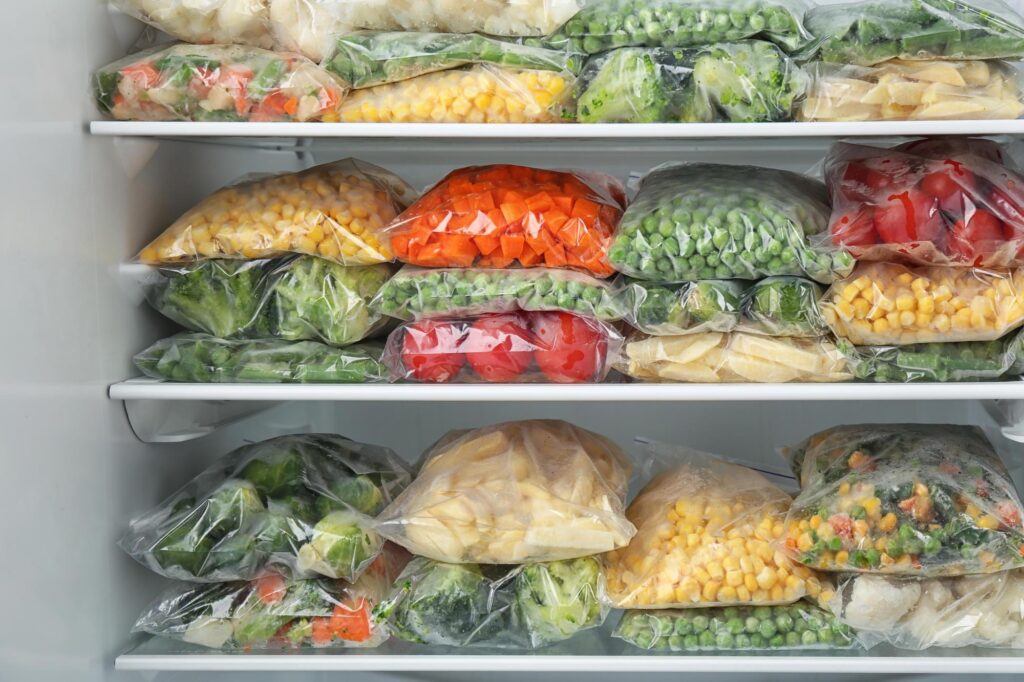
- Fresh produce, dairy, and meat products
- Pharmaceuticals and vaccines requiring controlled temperature ranges
- Beverages and ready-to-eat food items
- Flowers and other perishable retail goods
- Certain cosmetics and skincare products sensitive to heat
Without proper chilled storage, businesses risk spoilage, regulatory non-compliance, and significant financial losses from discarded inventory.
Key Features of an Effective Chilled Storage Facility
Not all cold storage facilities are built the same way, and the difference often comes down to a few critical features that determine whether a facility reliably protects product quality over time.
Precise Temperature Control A quality chilled storage facility maintains consistent temperatures within a narrow range, with minimal fluctuation even during high-traffic loading and unloading periods. Temperature spikes, even brief ones, can compromise sensitive products like pharmaceuticals or fresh seafood.
Humidity Management Beyond temperature, humidity control matters significantly for products like fresh produce, which can wilt or develop mold if humidity levels aren’t properly regulated alongside temperature.
Backup Power Systems Power outages are a serious risk for any cold storage operation. Reliable facilities maintain backup generators or uninterruptible power systems to ensure continuous cooling even during grid disruptions — a particularly important consideration given regional climate conditions.
Monitoring and Alert Systems Modern chilled storage facilities use continuous temperature monitoring with automated alerts, allowing staff to respond immediately if conditions drift outside acceptable ranges, rather than discovering a problem only after inventory has already spoiled.
Efficient Loading and Unloading Zones Well-designed facilities minimize the time products spend outside controlled conditions during transfer, often through dedicated loading docks with their own temperature buffering.
Chilled Storage in Riyadh
As Saudi Arabia’s capital and largest commercial hub, Riyadh has seen substantial growth in demand for chilled storage in Riyadh, driven by the city’s expanding retail, food service, and pharmaceutical distribution sectors. Riyadh’s position as a major distribution point means many chilled storage facilities in the city serve not just local businesses but also act as regional hubs supplying surrounding areas.
Businesses operating in Riyadh typically look for chilled storage providers who can offer:
- Strategic location near major highways and distribution routes for efficient last-mile delivery
- Scalable space to accommodate seasonal demand fluctuations, particularly around major shopping periods and Ramadan
- Strong compliance with Saudi Food and Drug Authority (SFDA) standards for food and pharmaceutical storage
- Flexible leasing arrangements that allow businesses to adjust storage capacity as needed
Given Riyadh’s extreme summer temperatures, the reliability of cooling infrastructure becomes even more critical, as facilities must maintain consistent internal conditions despite intense external heat for much of the year.
Chilled Storage in Saudi Arabia
Beyond Riyadh, the broader market for chilled storage in Saudi Arabia has expanded considerably, supported by the Kingdom’s Vision 2030 initiatives aimed at strengthening logistics infrastructure and food security. Major cities including Jeddah and Dammam have seen growing investment in cold chain infrastructure, driven by:
- Rising consumer demand for fresh and imported perishable goods
- Growth in e-commerce and grocery delivery services requiring reliable cold chain logistics
- Expansion of the pharmaceutical and healthcare sector, which depends heavily on temperature-controlled storage and transport
- Government initiatives supporting local food production and distribution efficiency
The harsh climate across most of Saudi Arabia makes chilled storage infrastructure especially important, as products moving through the supply chain face significant heat exposure risk if cold chain integrity is broken at any point — from storage facility to transport vehicle to final retail destination.
Industries That Rely Most Heavily on Chilled Storage
Food and Beverage Restaurants, supermarkets, and food distributors depend on chilled storage to maintain freshness across dairy, meat, produce, and prepared foods. For this sector, even short lapses in temperature control can result in significant spoilage and food safety risks.
Pharmaceuticals and Healthcare Many medications, vaccines, and biological products require strict temperature ranges to remain effective and safe for use. Pharmaceutical companies and healthcare distributors typically require chilled storage facilities with rigorous monitoring, documentation, and compliance certifications.
E-commerce and Grocery Delivery As online grocery and food delivery services grow across Saudi Arabia, chilled storage has become a critical link in fulfilling orders without compromising product quality between warehouse and doorstep.
Hospitality Hotels and catering businesses managing large volumes of perishable ingredients for events and daily operations need reliable chilled storage to support consistent food quality and safety standards.
Choosing the Right Chilled Storage Provider
Selecting a chilled storage partner is a decision that directly affects product quality, regulatory compliance, and ultimately customer trust. Businesses should evaluate potential providers based on several factors:
Compliance and Certifications Verify that the facility meets relevant Saudi regulatory standards, particularly if storing food or pharmaceutical products subject to SFDA oversight.
Temperature Monitoring Transparency Ask whether the provider offers real-time temperature logs or reporting, which can be valuable both for your own quality assurance and for regulatory audits.
Location and Accessibility Consider how the facility’s location affects your distribution timeline — proximity to major roads and your customer base can significantly impact delivery efficiency.
Scalability Seasonal businesses or those experiencing growth should look for providers offering flexible space arrangements rather than long-term fixed contracts that can’t adjust to changing needs.
Track Record and Reliability A provider’s history of maintaining consistent conditions, particularly during extreme weather events or power disruptions, says a great deal about their operational reliability.
Units: A Storage Provider Worth Considering
Units offers flexible storage solutions, including chilled storage options designed to meet the needs of businesses across Saudi Arabia’s food, retail, and pharmaceutical sectors. Their facilities are built to accommodate the country’s challenging climate conditions while supporting the temperature precision and reliability that perishable and sensitive goods require. With coverage extending across key cities including Riyadh, Units aims to support businesses needing dependable cold chain storage without the capital investment required to build and maintain in-house facilities. Businesses comparing chilled storage providers may find it useful to include Units in their evaluation. More information is available at units.sa.
Common Mistakes Businesses Make with Chilled Storage
Even experienced businesses sometimes make avoidable errors when managing chilled storage needs:
- Underestimating seasonal demand, leading to overcrowded storage during peak periods and compromised airflow that affects temperature consistency
- Ignoring humidity requirements specific to certain product types, focusing only on temperature
- Ineffective inventory rotation, leading to older stock being pushed to the back and forgotten until spoilage occurs
- Overlooking transport conditions, where products may be properly stored but lose cold chain integrity during transit between facility and final destination
- Choosing based on price alone, without verifying actual temperature consistency and compliance capabilities
The Future of Chilled Storage in Saudi Arabia
As Saudi Arabia continues to diversify its economy and strengthen its logistics and food security infrastructure under Vision 2030, chilled storage capacity is expected to keep expanding. Increased automation, IoT-based monitoring systems, and energy-efficient cooling technologies are likely to play a growing role in how facilities operate, helping reduce energy costs while improving reliability — an important consideration given the country’s high cooling demands due to climate.
Businesses that invest early in reliable chilled storage partnerships position themselves well to handle growing consumer demand for fresh, quality products, while also meeting increasingly stringent regulatory expectations around food and pharmaceutical safety.
Conclusion
Chilled storage has become an essential piece of infrastructure for businesses across Saudi Arabia’s food, pharmaceutical, retail, and hospitality sectors. Given the Kingdom’s challenging climate, the reliability and precision of cold chain storage directly impacts product quality, regulatory compliance, and ultimately business reputation. Whether searching specifically for chilled storage in Riyadh or evaluating options more broadly across Saudi Arabia, businesses should prioritize providers who demonstrate strong temperature control, regulatory compliance, and operational reliability. Providers like Units, offering flexible and scalable chilled storage solutions, are worth including when comparing options to support long-term supply chain reliability.
FAQs
1. What temperature range is considered chilled storage? Chilled storage typically maintains temperatures between 0°C and 8°C, distinct from frozen storage which operates well below freezing.
2. What types of products require chilled storage? Common examples include fresh produce, dairy, meat, beverages, pharmaceuticals, and certain cosmetics that are sensitive to heat exposure.
3. Why is backup power important for chilled storage facilities? Power outages can quickly compromise temperature-sensitive products, so reliable backup generators or UPS systems are essential to maintain continuous cooling.
4. How does Saudi Arabia’s climate affect chilled storage requirements? The Kingdom’s high temperatures place extra demand on cooling systems, making reliable infrastructure and backup power even more critical than in cooler climates.
5. What should businesses check before choosing a chilled storage provider? Look for relevant regulatory compliance (such as SFDA standards for food or pharma), transparent temperature monitoring, scalability options, and a strong track record of consistent performance.